
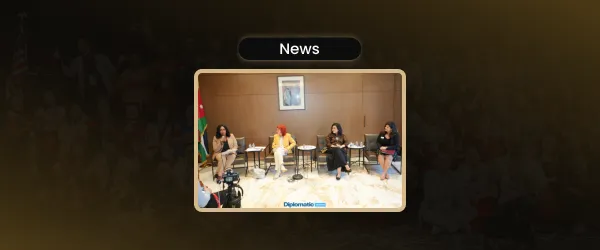
Women In Diplomacy: The Power of Empathy at the Decision Table
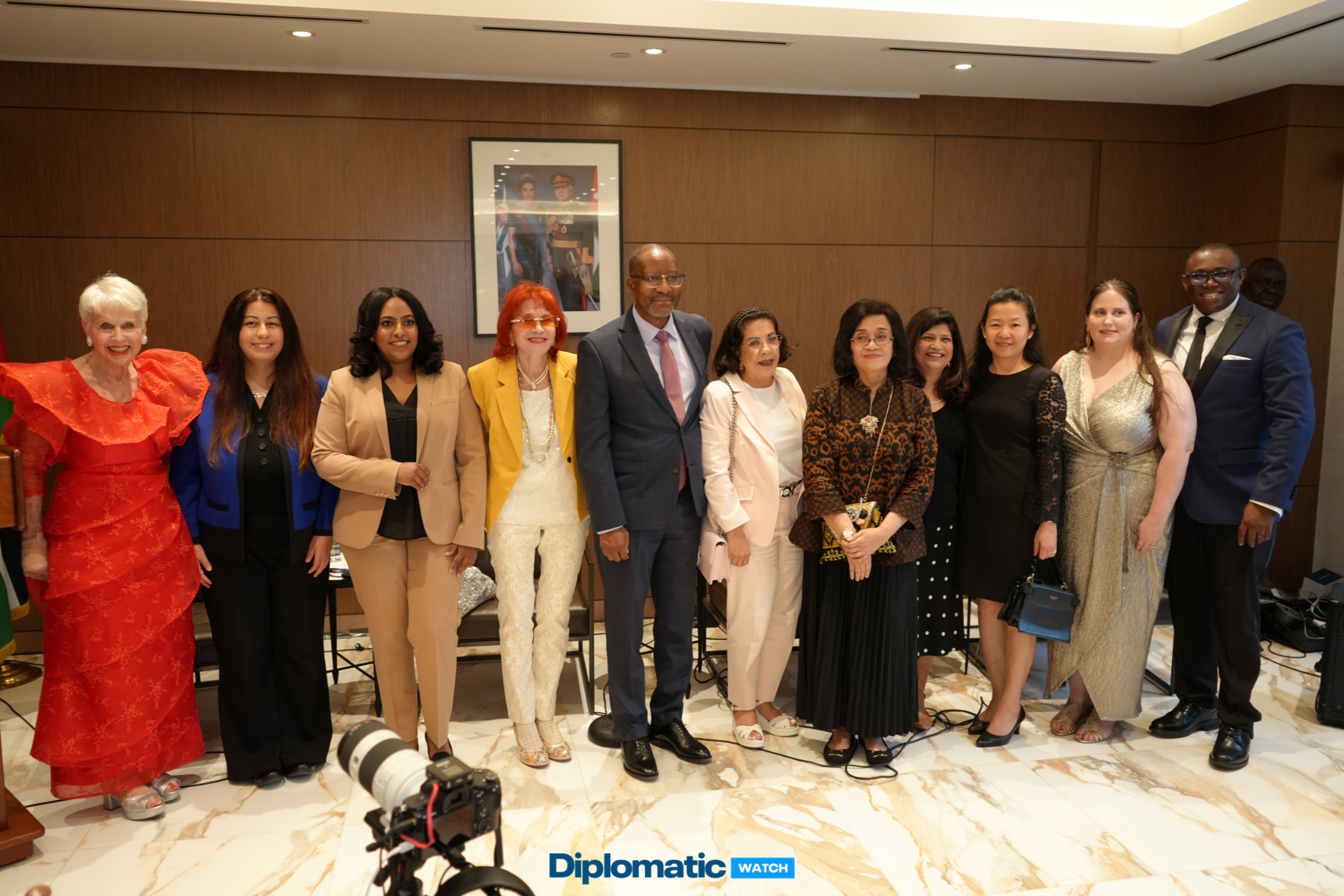
In recognition of the United Nations International Day of Women in Diplomacy, organized by Diplomatic Watch Magazine. The Second Annual Women in Diplomacy Forum at the Embassy of the Hashemite Kingdom of Jordan, Washington DC.
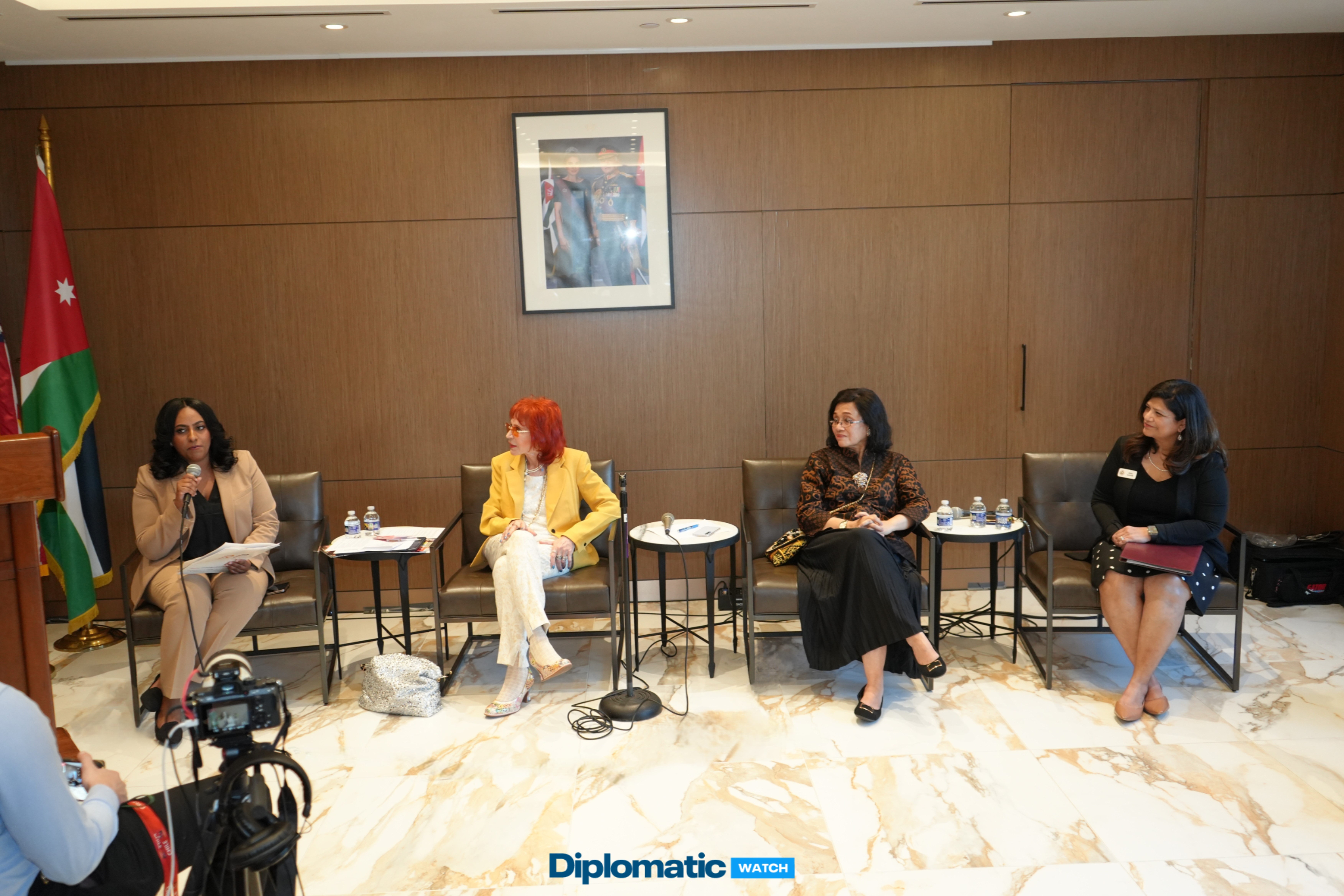
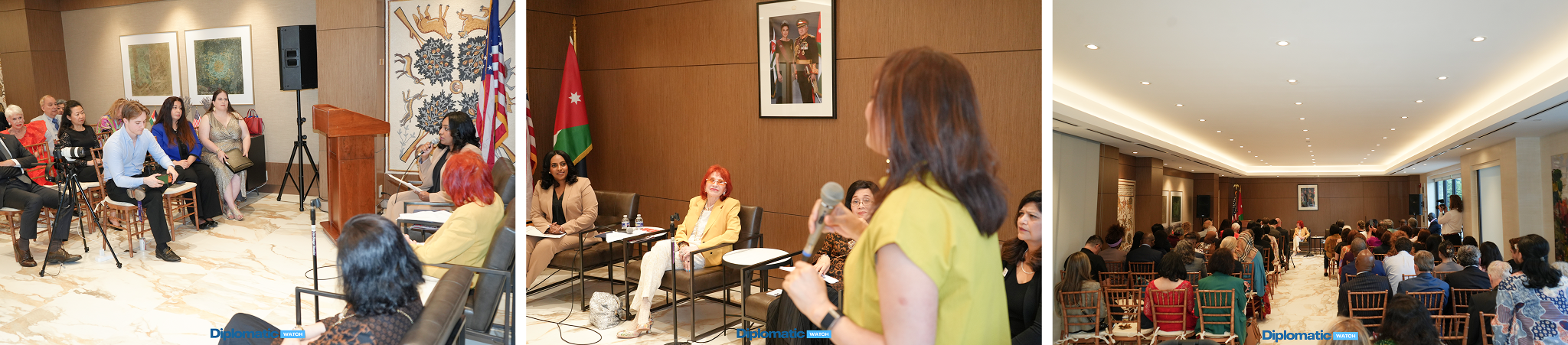
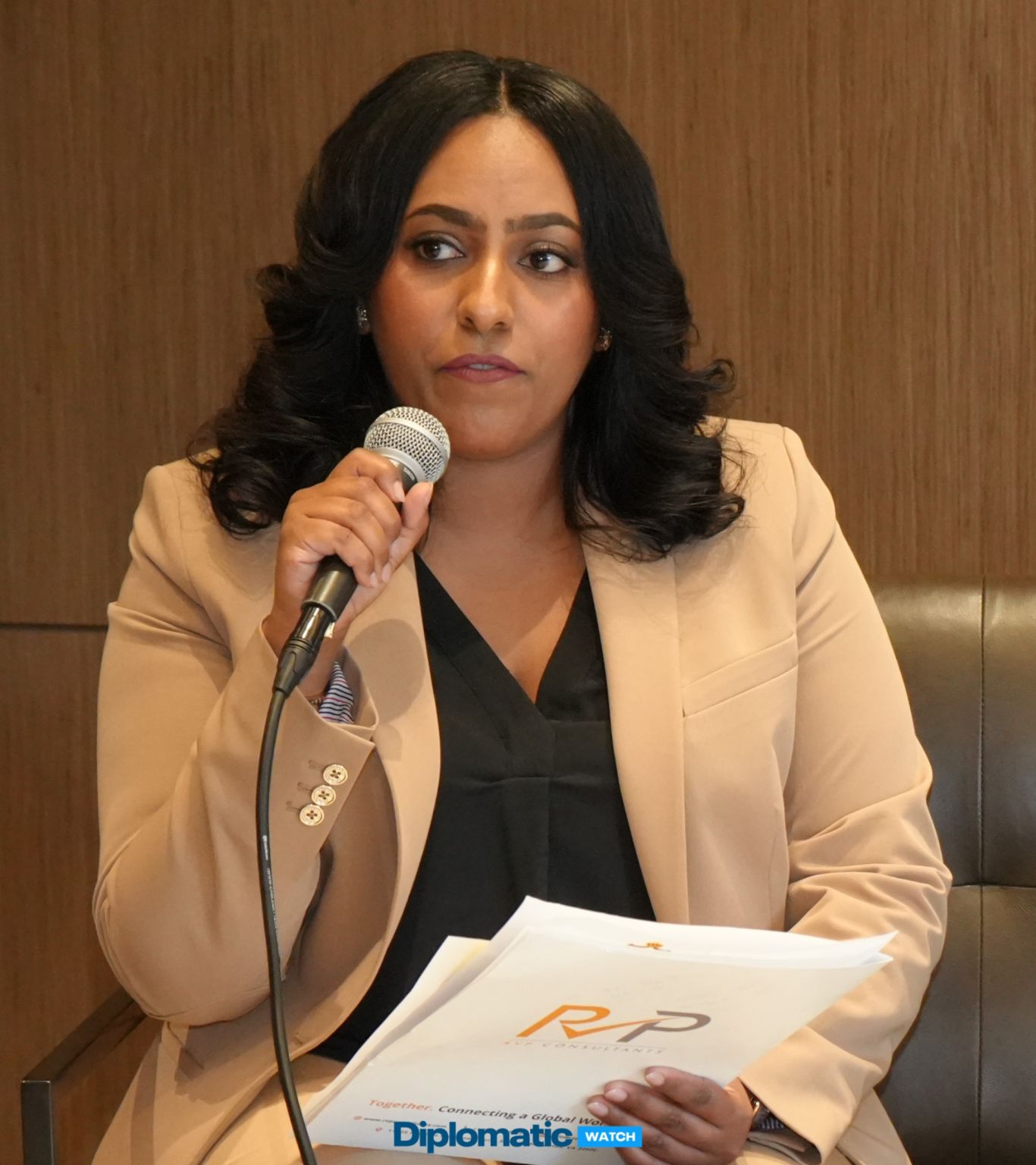
I had the honor of joining a panel alongside Dr. Judy Kuriansky, United Nations Representative, psychologist, humanitarian, and author, Dr. Nining Sri Astuti, President of the ASEAN Spouses Circle in Washington DC, and moderator Shaz Akram, Founder and President of HerPivot, in a room filled with Ambassadors, DCMs, and members of Washington's international diplomatic community.
The theme that anchored everything: Leadership at the Decision Table.
Not leadership as a title. Not leadership as a position. Leadership as a responsibility. Leadership as a choice you make every single day to show up for the people who need you most.
And the people who need us most have never needed us more than right now.
We are living in a world of extraordinary uncertainty. Conflicts displacing millions of children and families. Global budget cuts pulling funding from education programs, healthcare systems, and community support networks that the most vulnerable depend on. Aid organizations scaling back. Schools closing. Children falling further behind. Families with fewer resources and fewer places to turn.
In moments like these, empathy at the decision table is not optional. It is required. It is the difference between a policy that sees people and a policy that does not.
Here is what that room agreed on.
Women lead with empathy. We are human centered. We see the person behind the policy, the child behind the statistic, the community behind the decision. That is not a soft quality. That is the most powerful and most necessary leadership quality the world has right now.
Real leadership gets its hands dirty. It does not make decisions from a distance. It starts with the people who will be most affected and works backwards from there. Every time.
Girls are still being denied education. Child rights are still not taught to children and parents. Not in schools. Not in hospitals. Not anywhere. Women are the backbone of healthcare, education, and caregiving worldwide; and still underrepresented where decisions are made. That is a structural gap that costs everyone.
Women represent the overwhelming majority of healthcare workers, primary school teachers, and caregivers worldwide. We are the backbone of the systems that hold societies together. And yet we remain underrepresented at the tables where healthcare policy, education policy, and global strategy are actually decided.
That is not a coincidence. That is a structural gap. And it is a gap that costs everyone. Not just women. Not just girls. Everyone.
The next generation of leaders does not just need technical skills. They need flexibility. Resilience. Emotional intelligence. Cultural awareness. The ability to lead across borders, across uncertainty, and across every challenge no textbook prepared them for.
In that room sat:
H.E. Catalina Crespo Sancho, Ambassador of Costa Rica. H.E. Phoukhong Sisoulath, Ambassador of the Lao People's Democratic Republic. H.E. Dwisuryo Indroyono Soesilo, Ambassador of the Republic of Indonesia. H.E. Alfredo Nuvunga, Ambassador of the Republic of Mozambique. H.E. Santino Fardoul Woul, Ambassador of the Republic of South Sudan. H.E. Pavel Shidlovsky, Chargé d'Affaires of the Republic of Belarus. Diana Al Hadid, Deputy Chief of Mission and Minister Counselor of the Embassy of the Hashemite Kingdom of Jordan. Ibrahim M. Fofana, Cultural Attaché of the Embassy of the Republic of Sierra Leone. Sarah Bhoroma, Deputy Chief of Mission of the Embassy of Zimbabwe. Senior diplomats. Representatives of international organizations. Policymakers. Academics. Business leaders. Members of civil society.
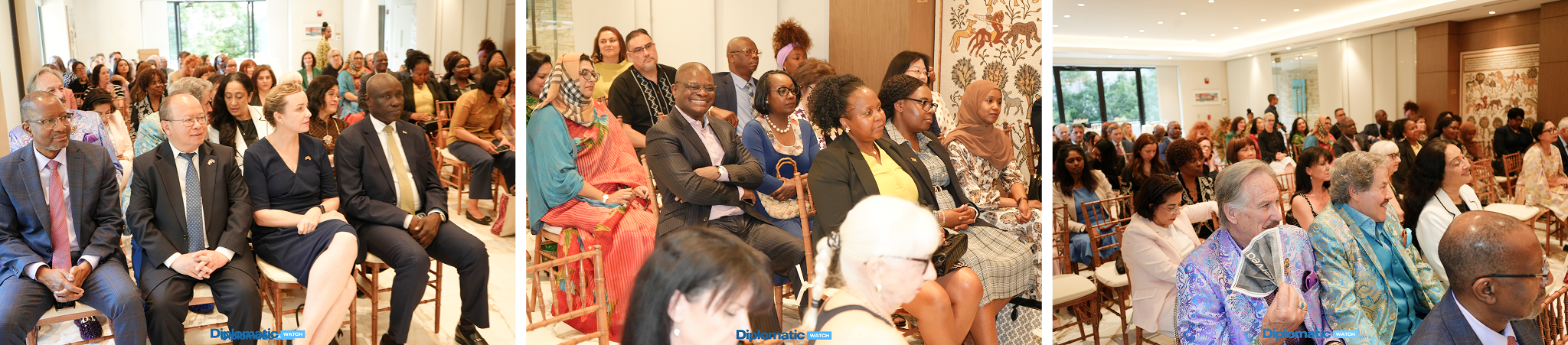
To every leader in that room, thank you for making this conversation not just possible but necessary.
Diplomatic Watch Magazine covered the full forum: https://diplomaticwatch.com/